
13 August 2026
Wojtek the Bear: The Polish Army's Unlikely WWII Soldier
A Syrian brown bear joined Polish troops in World War II and became famous for helping move ammunition at Monte Cassino.
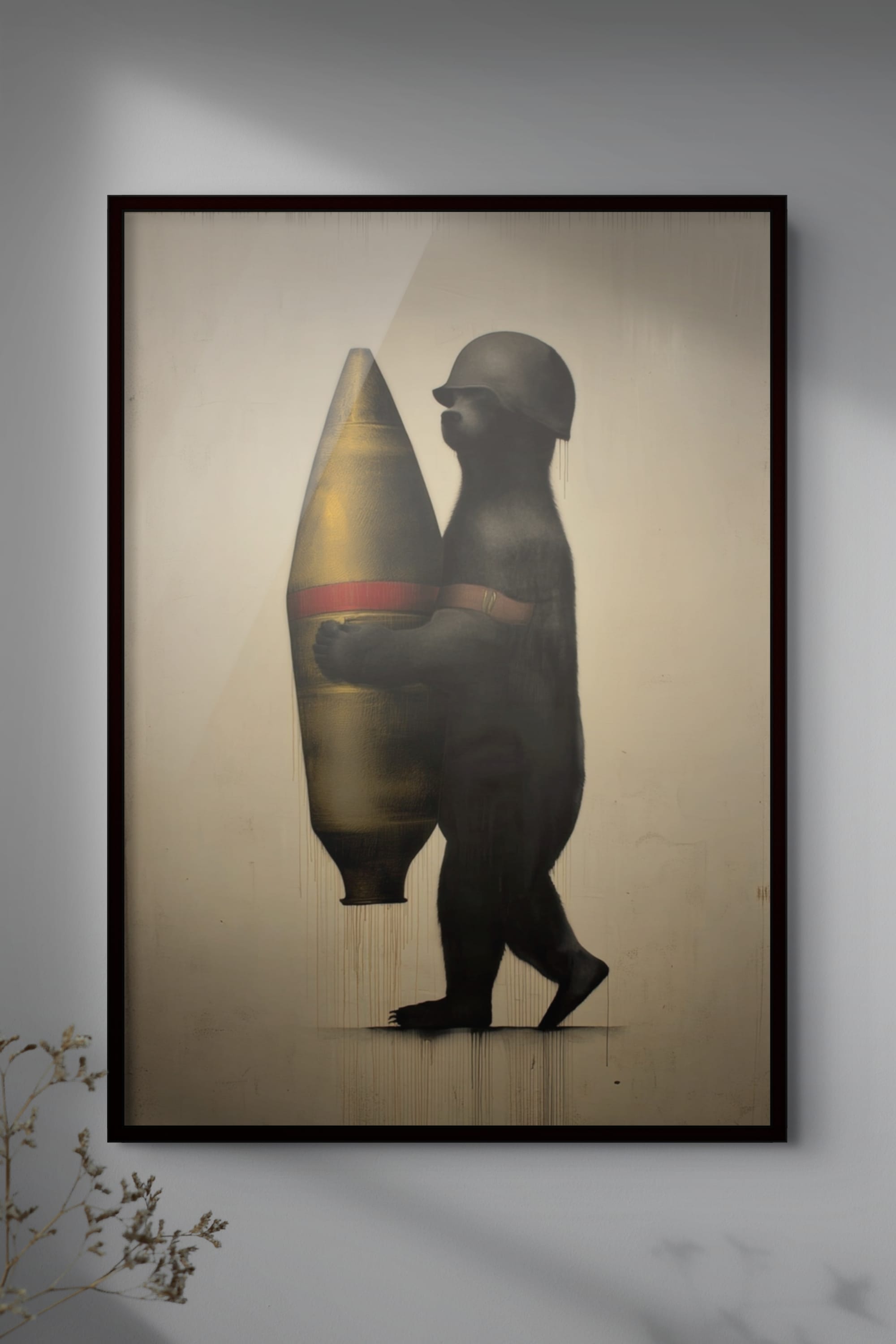
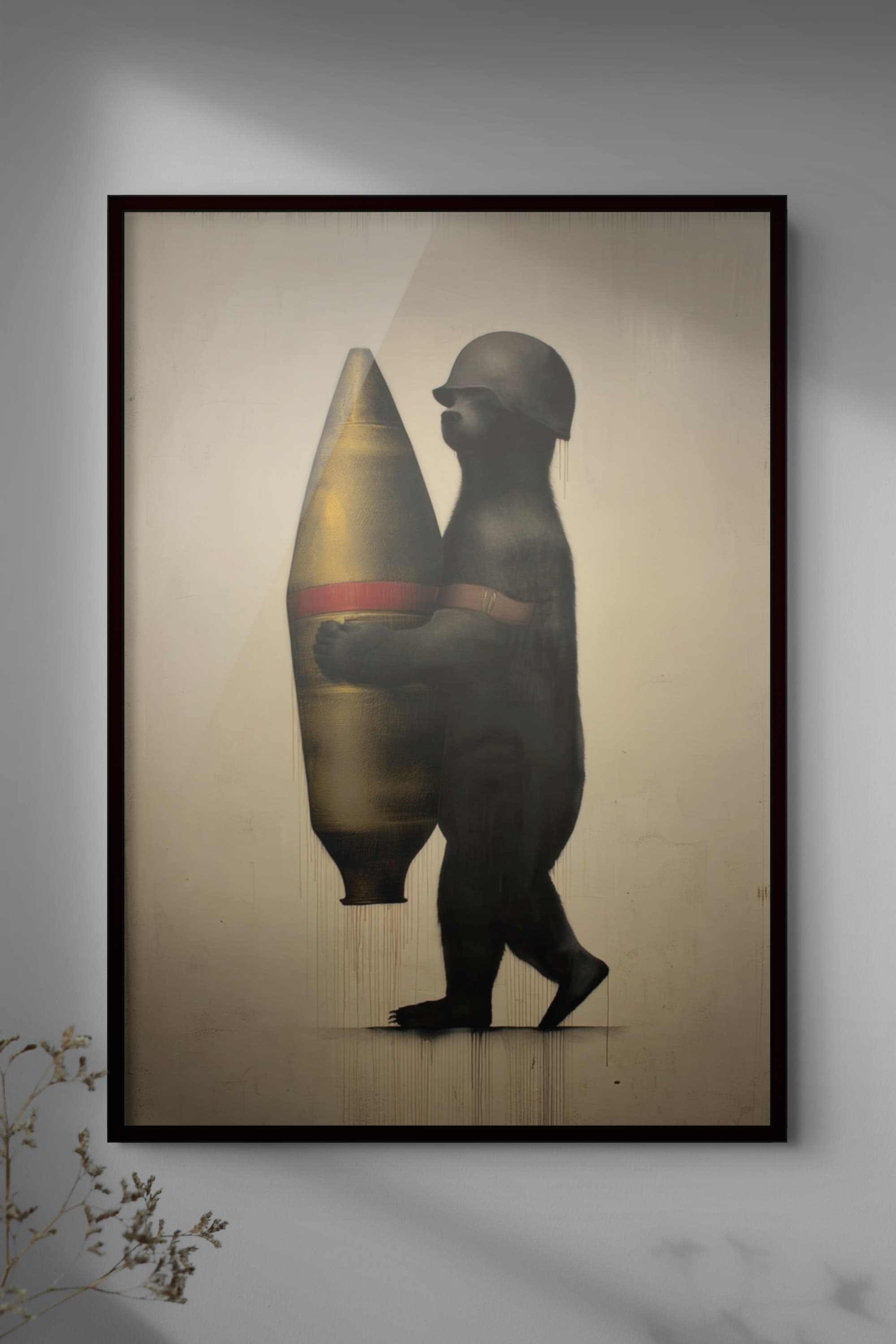
Wojtek was a Syrian brown bear who lived with Polish soldiers during World War II. He travelled with the 22nd Artillery Supply Company from the Middle East to Italy. He was entered in the unit's records and became famous for helping move supplies during the Battle of Monte Cassino in 1944.
Was Wojtek really a soldier in the Polish Army?
Yes, although he was not a soldier in the normal sense. Wojtek was a real brown bear who lived and travelled with the 22nd Artillery Supply Company. Polish records say he was officially entered in the unit's records. He was given military status and was later promoted to the rank of corporal.
Wojtek belonged to the Polish 2nd Corps led by General Władysław Anders. The army had formed after Nazi Germany attacked the Soviet Union in 1941. Many of its Polish soldiers had been held or forced from their homes by the Soviet Union. They left Soviet land through Iran and later joined the Allies in the Middle East. This was the army that Wojtek would travel with.
Wojtek was part pet, part mascot and part member of the unit. He ate near the soldiers, slept close to them and travelled in their trucks. Poland's Institute of National Remembrance says he was officially listed in the records of the 22nd Artillery Supply Company. Other records say he was given the rank of private. After Monte Cassino, he was later known as Corporal Wojtek.
| Fact | Detail |
|---|---|
| Date | 1942–1963 |
| Location | Iran, Middle East, Italy and Scotland |
| Key figures | Wojtek; General Władysław Anders; soldiers of the 22nd Artillery Supply Company |
| Outcome | Wojtek travelled with the Polish 2nd Corps and became famous for helping move artillery supplies at Monte Cassino. |
| Status today | Wojtek died at Edinburgh Zoo in 1963. Memorials to him now stand in Britain, Poland and Italy. |
How did Polish soldiers find Wojtek the bear?
Polish troops met a young Iranian boy with a bear cub in Iran in April 1942. The cub was an orphan and was still very young. A Polish refugee named Inka Bokiewicz helped care for him near Tehran. A few months later, Wojtek was given to the unit that became the 22nd Artillery Supply Company.
The meeting happened as Polish troops and civilians were moving through Iran after leaving the Soviet Union. On 8 April 1942, they met a local boy carrying the small bear. The cub's mother was thought to have been killed by hunters, although this was never proved. Wojtek was weak and still needed milk. He spent his first months with Polish civilians near Tehran.
Later stories give different details about how the bear changed hands. Some say food, money or other small goods were given to the boy. The exact deal is not clear. What is better recorded is what happened next. In August 1942, Wojtek was given to the Polish unit. He then travelled through Iraq, Syria, Palestine and Egypt as the soldiers moved toward the war in Italy.
He would accept lit cigarettes, take a puff and swallow them.
— Dymitr Szawlugo, Polish soldier who helped care for Wojtek (source)
Why was Wojtek given the rank of private?
Wojtek was treated as part of the Polish unit and was entered in its military records. Several sources say he was given the rank of private and a service number. A popular story says this was done so he could travel with the soldiers to Italy. The exact reason is less clear than the legend suggests.
The famous version says army rules did not allow pets on the ship to Italy. The soldiers therefore made Wojtek a private so he could travel as a member of the army. That story has been repeated for years. But the British Library gives a more careful account. It says Wojtek needed a special travel permit and that British officials approved his journey with the Polish troops.
Other Polish and Scottish records still support the main point. Wojtek was listed with the unit and was given military status. By then, he had spent years living beside the soldiers. He rode in their trucks, slept near them and even copied some of their habits. The line between army mascot and army member had become very thin. The soldiers clearly saw him as one of their own.
What did Wojtek do at the Battle of Monte Cassino?
Wojtek travelled to Italy with the Polish 2nd Corps and was with the unit during the Battle of Monte Cassino in 1944. Polish and British museum sources say he helped move ammunition supplies for the soldiers. His work became so famous that a bear carrying an artillery shell was later used as the company's badge.
Monte Cassino was one of the hardest battles of the Italian campaign. Allied troops were trying to break through German defences south of Rome. The Polish 2nd Corps took part in the final attacks in May 1944. The 22nd Artillery Supply Company had the job of keeping Polish guns supplied. This meant moving shells, boxes and other supplies while the battle was still being fought.
Wojtek had watched the soldiers work for years. Accounts from the unit say he began helping them move boxes and other artillery supplies. Poland's Institute of National Remembrance also says he pulled a supply cart during the battle. The sight of a large bear working beside soldiers soon became part of the unit's story. A bear holding an artillery shell was then chosen as its official badge.
Did Wojtek really carry live ammunition?
We cannot say for sure. Official Polish sources say Wojtek carried ammunition boxes at Monte Cassino, and Imperial War Museums says he was reported to have moved artillery ammunition. But one later account from a soldier in his unit said Wojtek carried empty ammunition boxes and used shell cases rather than live rounds.
This is where the true story and the legend start to mix. Many versions say Wojtek carried huge boxes of live artillery shells on his own. Some even say he never dropped a single box. Those details are much harder to prove. The Imperial War Museums does not state the strongest version as fact. Its own record says Wojtek was "reported" to have helped move artillery ammunition.
There is also evidence for a less dramatic version. Henryk Zacharewicz, who served with Wojtek's company, later said the bear moved empty ammunition boxes and used shell cases. That would still have been useful work during a major battle. The safest claim is simple: Wojtek helped his unit move artillery supplies at Monte Cassino. We cannot prove that every box he carried held live shells.
What happened to Wojtek after World War II?
After the war, Wojtek travelled with Polish soldiers to Scotland. He lived with them at a military camp before moving to Edinburgh Zoo in 1947. Former soldiers often came to see him, and he still reacted to Polish voices. Wojtek remained at the zoo until his death in 1963, when he was about 21 years old.
The end of the war did not mean that Wojtek and his soldiers simply went home to Poland. The country was now under a Soviet-backed government, and many Polish troops chose to remain in the West. The 22nd Company moved to Scotland. Wojtek went with them and lived at Winfield Camp near Hutton in the Scottish Borders. He soon became well known to people living nearby.
On 15 November 1947, Wojtek was moved to Edinburgh Zoo. His old army friends continued to visit him. Accounts say Polish voices could still get his attention years after the war. He died at the zoo in 1963. Today, statues and memorials to Wojtek stand in Britain, Poland and Italy. His old unit's bear-and-shell badge remains the image most closely linked to his story.
Sources
Lost Axis Editorial
Researches each story from primary sources · About Lost Axis →
Early access to each new edition, before it's public.